

01
Expert medical care & pain management
A nurse manages pain, breathlessness, nausea, and agitation in the home. The goal is comfort that lets a person rest, not another trip to the hospital.
ACHC Accredited & Medicare-Certified Hospice. Serving All North Texas Counties.
A higher standard of care
When medical treatments can no longer cure a disease, our team focuses on comfort: managing pain, easing anxiety, and providing emotional and spiritual support.
01
A nurse manages pain, breathlessness, nausea, and agitation in the home. The goal is comfort that lets a person rest, not another trip to the hospital.
02
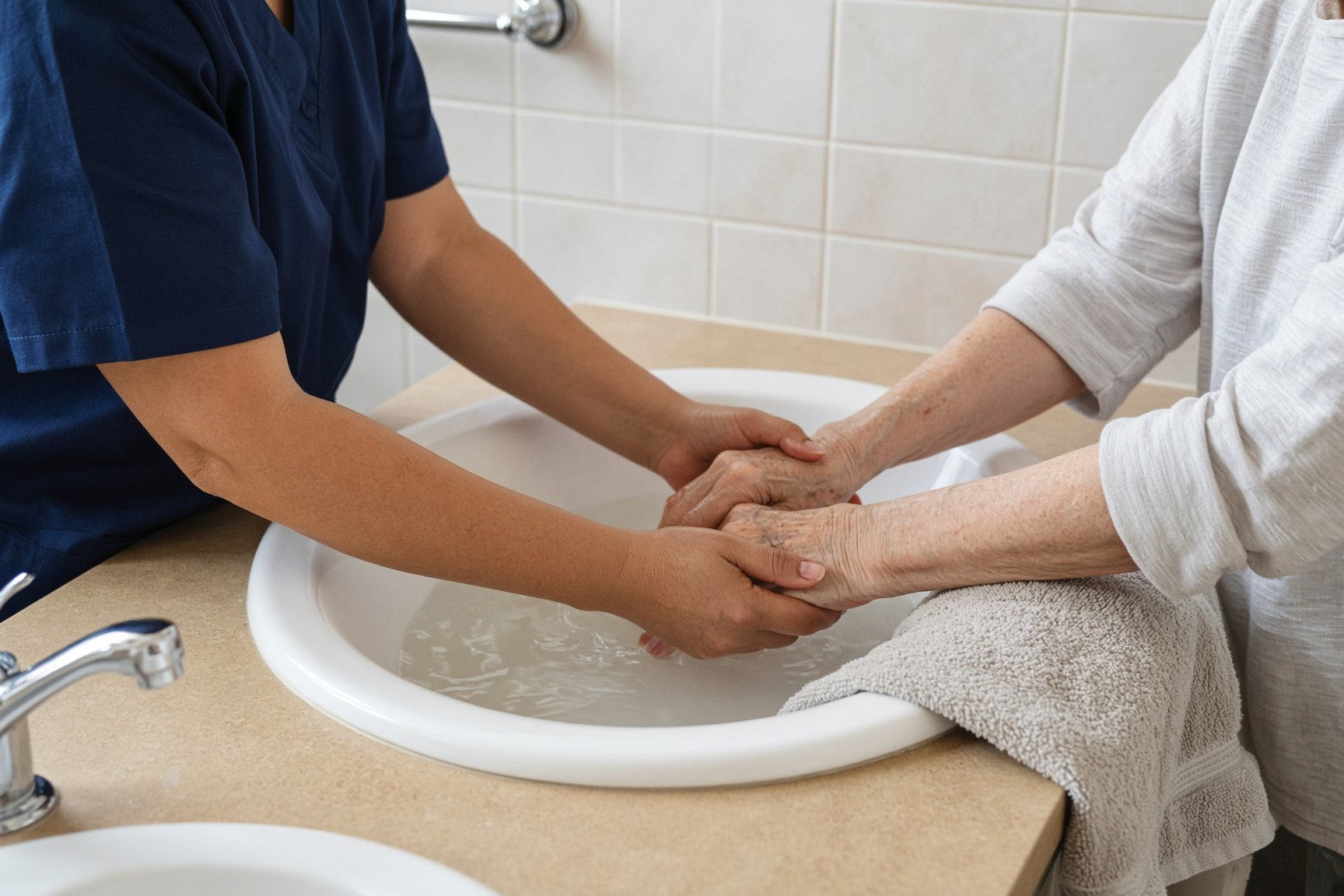
Hospice aides help with bathing, dressing, and the quiet work of dignity, on a schedule written around the family, not the other way around.
03
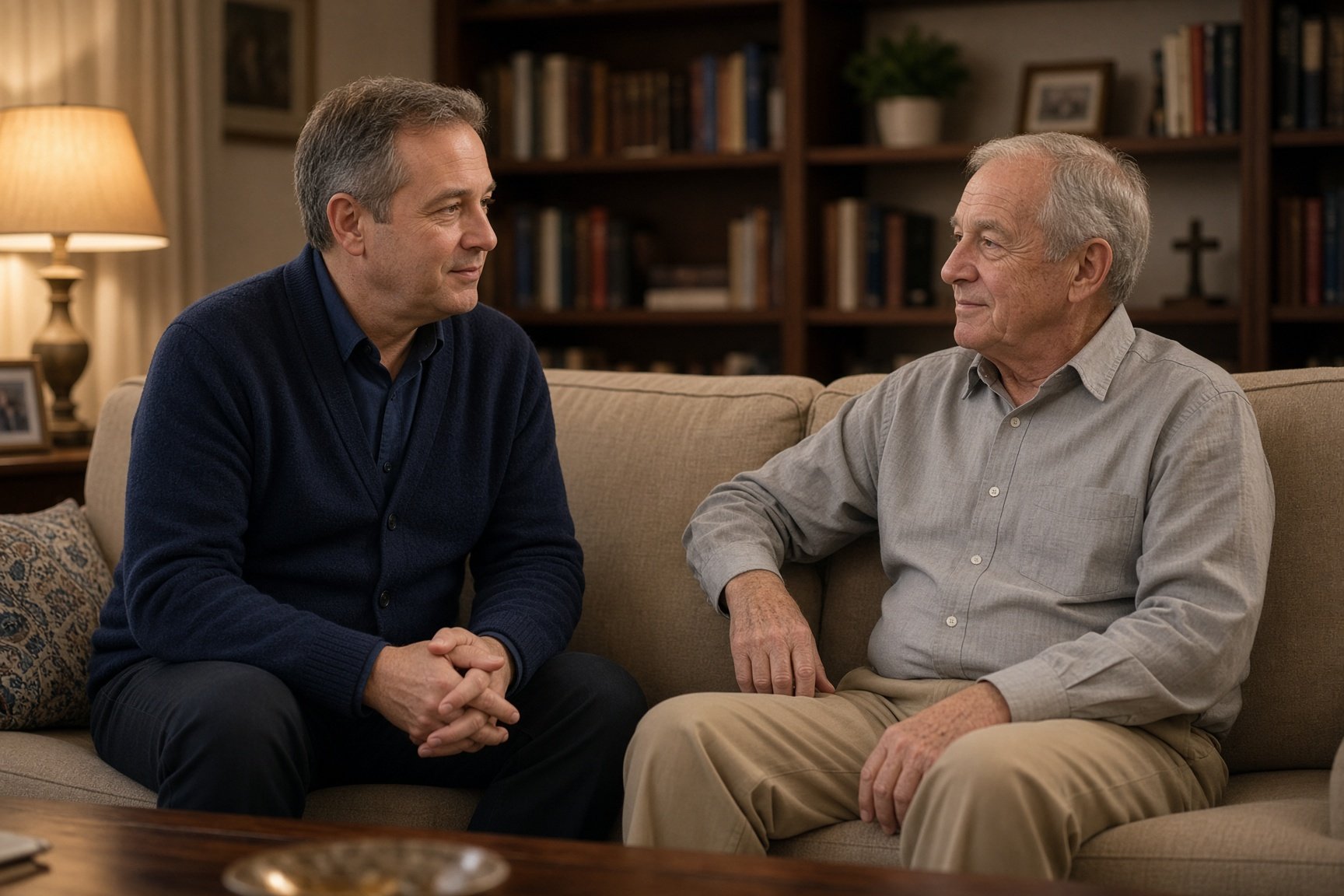
A social worker and chaplain sit with the patient and the people who love them. Every belief is respected. None is required.

04
Comfort medications, a hospital bed, oxygen, and related supplies are arranged for the home. Related to the terminal diagnosis, they are typically covered by the Medicare Hospice Benefit.
05
We teach what to expect, how to use medications, and who to call. Families should not have to guess in the middle of the night.
06
Support continues after a death, including counseling for up to a year and help with funeral questions. Grief does not keep office hours. Neither do we.
The most common level. Nurses, aides, and the rest of the team visit the home on a regular schedule, with a nurse always on call.
Short periods of mostly nursing care in the home when symptoms are in crisis and need hour-by-hour attention.
When symptoms cannot be managed at home, we arrange a short inpatient stay for comfort, then return home when it is safe.
A short inpatient stay so the primary caregiver can rest. The patient returns home afterward.
One plan of care, written around the patient. The people on that plan include a Medical Director, RN Case Manager, Social Worker, Chaplain, Hospice Aide, Bereavement Coordinator, and volunteers.
Physicians, discharge planners, and facility staff can refer by phone, fax, or email. We return the call, obtain the certification, and can often admit the same day. Families may refer themselves, we will still need a physician to certify hospice is appropriate.